From Attention Master to Belief Shaper: The Transformative Power of the Brain


Translated by AI
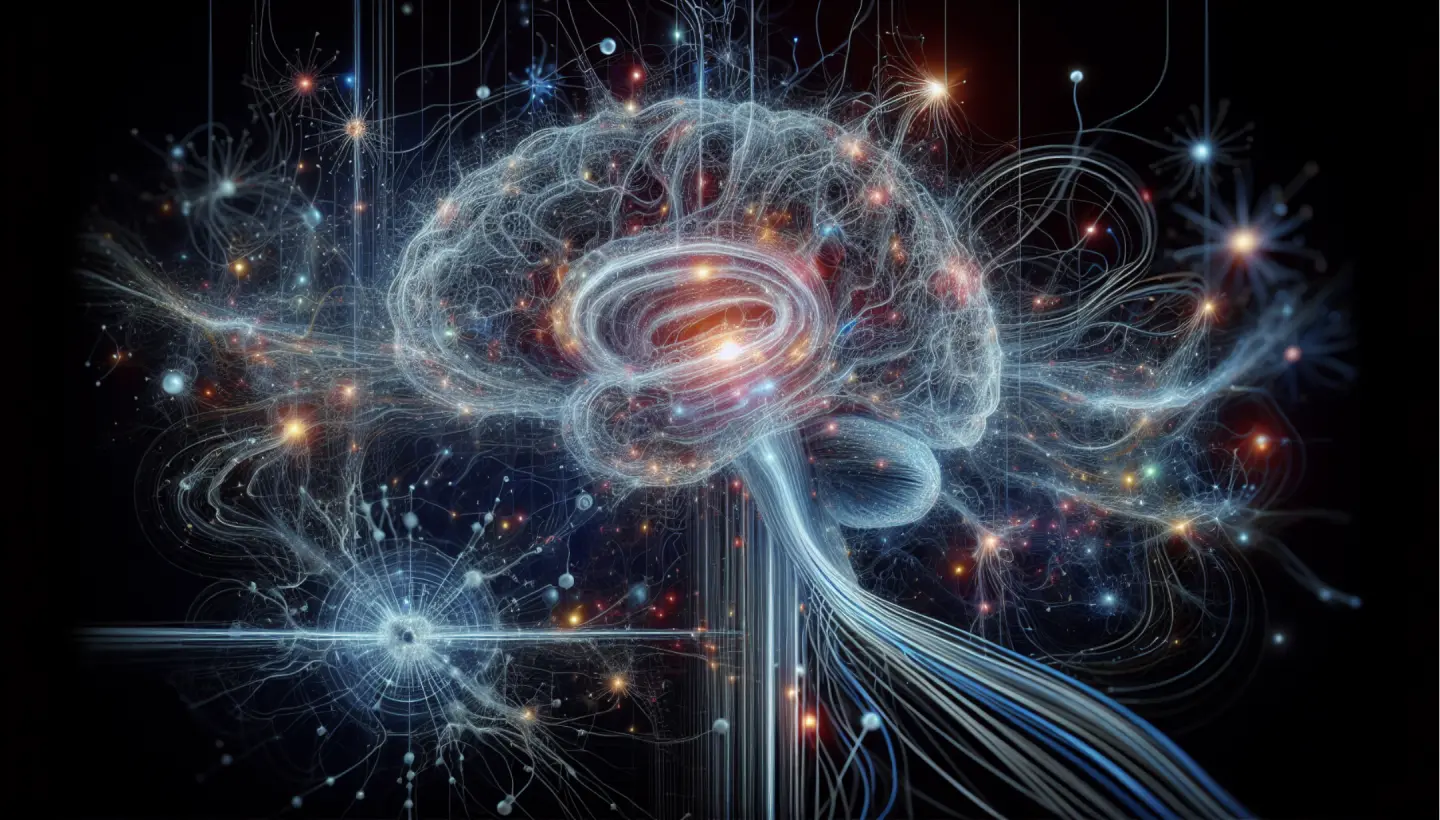
Our brains function like efficient yet limited processors, handling over a million pieces of information from the external world every day. However, we don't truly "receive everything"; instead, a system within the brain decides what to focus on and what to ignore.
This system comprises two crucial components:
- RAS (Reticular Activating System): The gatekeeper of attention
- Neuroplasticity: The shaper of habits and beliefs
Understanding how these mechanisms work can help us consciously choose the language and focus we repeat daily, thereby genuinely "rewriting our life's perception."
Attention is not limitless; it is filtered by the RAS
The RAS, located in the brainstem, is a neural network responsible for "filtering information." It decides which messages rise to consciousness based on your goals, beliefs, fears, and emotional state.
Have you noticed that when you start caring about a particular subject, the world seems to revolve around it? When you're thinking about buying a car, acquiring a certification, or changing your image, related information suddenly jumps into your view. This isn't a coincidence; it's the RAS "finding keywords" for you.
When you repeatedly tell yourself, "I'm not good enough," the RAS quietly magnifies the evidence supporting this belief. Conversely, when you practice saying, "I'm improving," the RAS will also seek out "evidence of progress" for you.
Neuroplasticity is the brain's habit update system
Neuroplasticity refers to the brain's ability to adjust neural connections based on repeated experiences and practices. This means the brain isn't fixed but will "listen to your repeated language" to establish new thought circuits.
This is why "affirmations" aren't mere self-deception; they are tools that can physically alter the brain's structure. When you consistently tell yourself, "I am worthy of love," "I can handle stress," and "I have choices," these statements serve not only as encouragement but also as commands to the brain, reshaping your default programming.
Affirmations ≠ Manifestation
While affirmations and manifestation are often seen as similar concepts, they function on different levels. Affirmations train the brain's RAS and neuroplasticity with repeated language to help us rewrite inner beliefs, serving as a highly controllable and practicable tool for inner transformation. Manifestation involves combining clear intentions and beliefs with frequencies and universal laws to guide reality shifts via the law of attraction, encompassing more nonlinear and unpredictable energetic dimensions, which are unreasonable in a life intern framework. Simply put, affirmations act as "inner alignment" before manifestation, laying an essential groundwork for its realization.
RAS + Neuroplasticity: Turning Language and Focus into the Starting Point of Change
- RAS: Determines what you see and focus on based on "what you believe." It functions like a search engine.
- Neuroplasticity: Establishes new pathways and habits based on "what you repeat." It works like a software update.
When you begin to view yourself and the world with new language and perspectives, the RAS will start "searching for information that supports it," while neuroplasticity will convert these repeated experiences into your new default state.
This implies that what you say, what you focus on, and what possibilities you believe in are all shaping who you can become in the future.
The Power to Change is in Your Brain
Once we understand how the RAS and neuroplasticity operate, we'll realize that changing our lives is never about a sudden burst of willpower; it's about gradual "focus alignment" every day.
You can choose to let your brain be quietly guided by negative autopilot, or you can learn to be like a gamer, setting new tasks and upgrading new roadmaps.
Because life is not a predestined script; it's a brain script that can be rewritten at any moment. Want to change? You can do it right away.
文章發布於