
Your Body is an Energy Dashboard - Cortisol: The Double-Edged Sword of Stress


Translated by AI
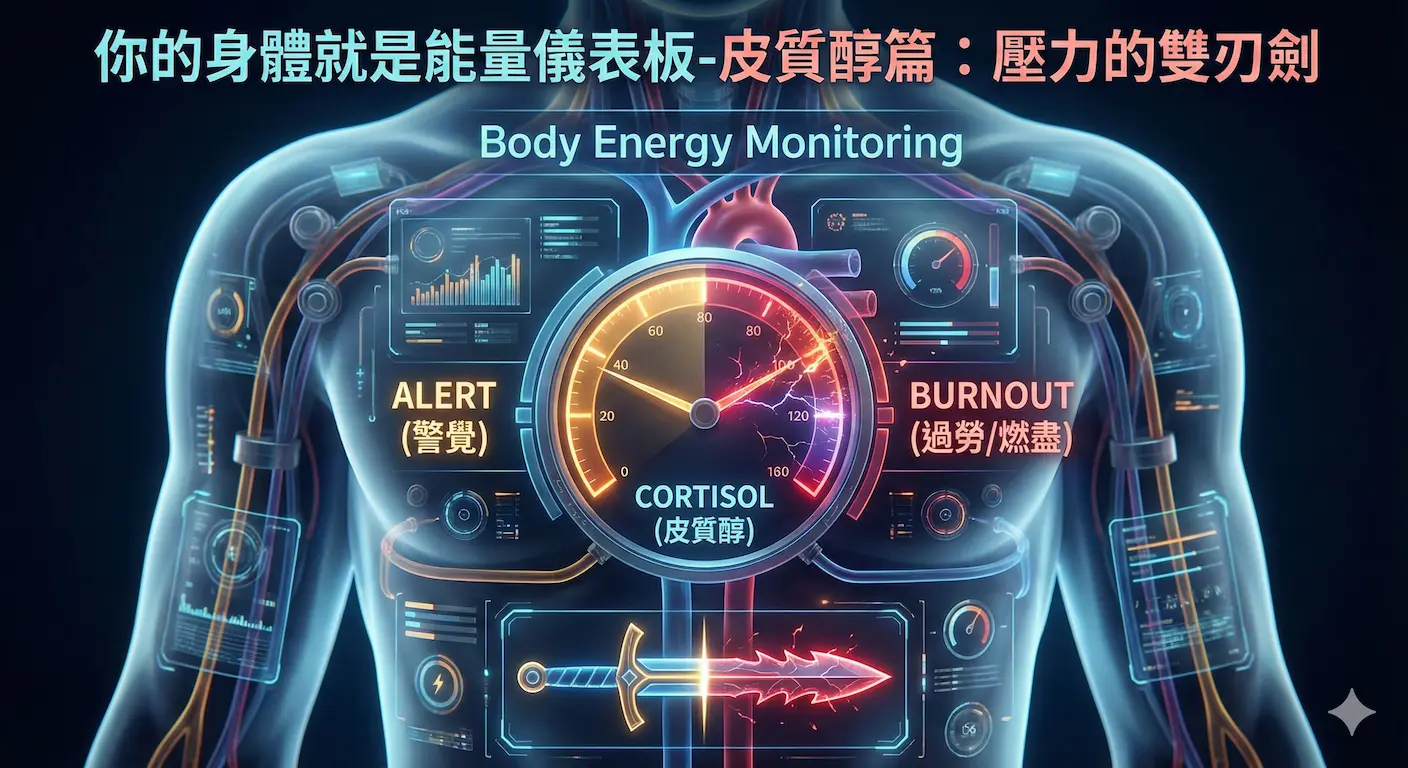
Within life's energy dashboard, cortisol functions like a character's alarm system. When danger looms or challenges present themselves, it triggers red alerts, heightening energy output so you remain focused and responsive. Hence, it is not your adversary but a signal indicating "it's time to defend or strike."
Yet, should this alarm persist indefinitely, the balance of body and mind overheats: sleep becomes troubled, irritability rises, immunity weakens, and ultimately, it's not conquered adversity that defeats you, but the depletion from enduring "constant alertness."
What Role Cortisol Plays Within You
Cortisol serves as both the signal for stress and vigilance, ensuring alertness during critical moments while reminding you that every battle must have a conclusion.
- During prolonged stress, it assumes adrenaline's role, sustaining a steady energy output.
- It aids the brain in assessing threats and reallocating energy resources.
- However, when stress extends excessively, it maintains the body's heightened state, resulting in fatigue and anxiety.
Ways to Activate Cortisol Daily
Cortisol isn't inherently detrimental; it assists in awakening, concentration, and facing trials:
- Morning Exposure to Sunlight: Post-wake sunlight exposure efficiently aligns cortisol's rhythm. Moderate Challenges: Stress-inducing tasks (such as presentations or competitions) stimulate an optimal cortisol level, prompting focused states.
- Consistent Routines: Establish fixed times for waking and unwinding, allowing cortisol to rise and recede appropriately.
Micro Practices for Cortisol Equilibrium
- Three-Minute Deep Breathing Reset: Eyes closed, inhale for four seconds, exhale for six seconds, resetting physical tension instructions.
- Five-Minute Stretching Reset: Extend shoulders, neck, back, alleviating accumulated stress messages.
- Fifteen-Minute Natural Relaxation: Embrace calming activities like listening to music, strolling, or sipping tea—each effectively shifts the nervous system back to "safe mode."
Frequent Cortisol Pitfalls
The issue with cortisol isn’t its activation, but its inability to deactivate:
- Overcommitment: Constantly residing in "combat readiness" prolongs the alarm's clamor.
- Restlessness: Even in downtime, relaxation eludes, as mental cogs keep grinding.
- Emotional Suppression: Feigning emotional tranquility fuels ongoing internal combustion.
Solid work-life boundaries are pivotal to cortisol harmony.
Essential Contextual Strategies
- When Stress Intensifies: Engage in deep breathing, hydrate, and move, transforming alarms into "temporary vigilance" rather than "persistent anxiety."
- Pre-Challenge Planning: Allocate cortisol distinct entry moments like "now I require full attention," followed by closure rituals such as a wind-down walk.
- Chronic Fatigue Management: Review daily habits—sleep, nutrition, light exposure—cortisol's rhythm reflects life's cadence.
Cortisol Level Awareness
Track cortisol fluctuations through a "stress meter":
- Reflective Inquiries: Did I discern today's stress roots? Have I scheduled "downtime modes" deliberately? Does my body signal rest needs?
- Recording Technique: Nightly, note your stress level intensity ( 0 – 10 ) and inscribe when you felt most tense/at ease.
Mastering cortisol utilization dispels stress apprehension through cooperative engagement—activating it when essential, releasing it upon task completion. Thus, the stress meter sustains a harmonious beat. You evolve beyond anxiety-driven roles to becoming a strategic persona, adept at wielding energy judiciously, knowing precisely when to unleash full force or peacefully retreat.
文章發布於